PRESS RELEASE: Australians can now photograph their power bill and have AI check it against 8,000 plans to see if they’re overpaying
Australians can now photograph their power bill and have AI check it against 8,000 plans to see if they’re overpaying
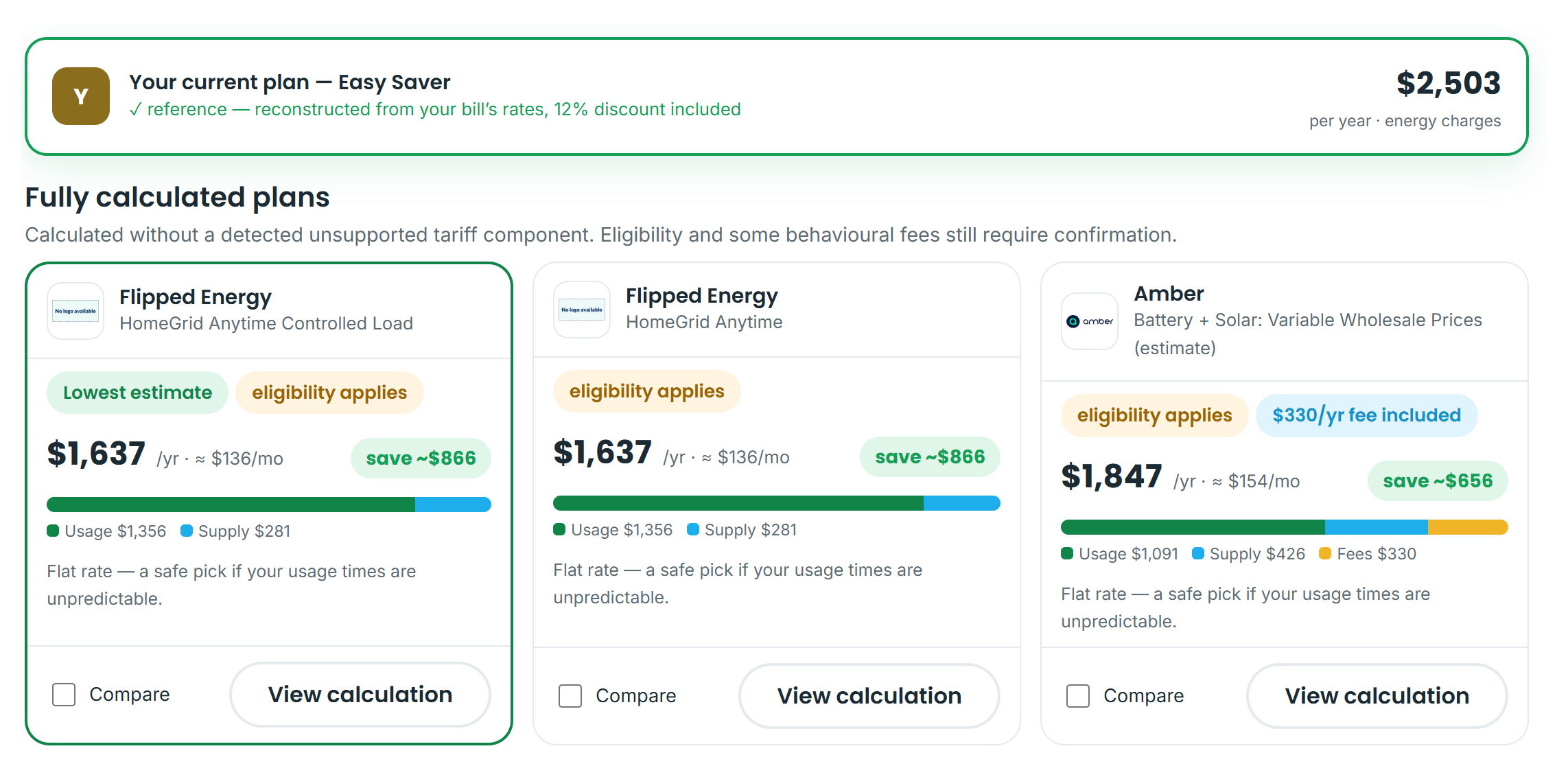
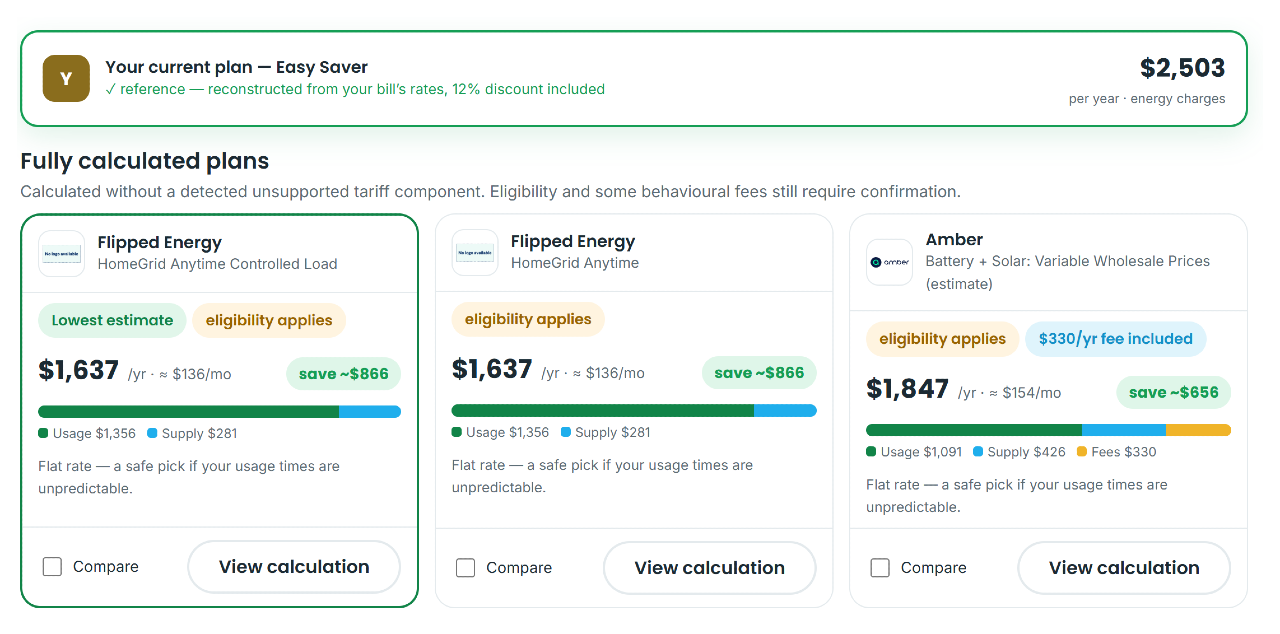
A new free Australian tool reads a photo of your electricity bill and prices it against more than 8,000 published plans in about a minute. Energy Rebate Check receives no commission from any retailer, plans are ranked purely by estimated cost, and no email address or phone number is needed to see the results.
SYDNEY, 22 July 2026: The regulator’s benchmark electricity prices reset on 1 July, falling by up to around seven per cent for most households in New South Wales and south-east Queensland. But the benchmark falling doesn’t automatically lower anyone’s bill. The plan they’re sitting on does. A newly launched free tool at Energy Rebate Check lets households check where they stand using their actual bill, not an imaginary average household.
The energy plan comparison tool (https://energyrebatecheck.com.au/compare-energy-plans) works three ways. Users can photograph their electricity bill and have AI read the usage and rate figures directly off the page, upload their smart-meter interval file for the sharpest result, or simply type in the usage from their bill. The tool then prices more than 8,000 published market plans from over 70 retailers against that real usage and ranks them by estimated annual cost, with pricing refreshed nightly from official Consumer Data Right data. Because the service is paid nothing by retailers, no plan can buy its way up the rankings.
“Every July the headlines say prices went up or down, and every July most people have no idea what that means for their own bill. The benchmark is not your bill. Your plan is your bill, and the only fair way to compare plans is against your actual usage, which is exactly what this does,” said Josh Liptak, founder of Energy Rebate Check.
Unlike most comparison sites, the tool shows results without collecting an email address or phone number, and every plan link goes to the retailer’s own website. Privacy is treated as a feature: smart-meter files are read entirely in the user’s browser and never leave their device, while bill photos are processed only to extract the usage figures and then immediately deleted.
“People shouldn’t have to hand over their phone number to find out they’re overpaying for electricity. You get the answer first. What you do with it is up to you,” Liptak said.
The tool also reads small-business bills, and sits alongside Energy Rebate Check’s free postcode-based rebate checker (https://energyrebatecheck.com.au/rebate-checker), which shows the government energy rebates and upgrade programs available in each area. Both are free at https://energyrebatecheck.com.au/
ENDS
About Energy Rebate Check
Energy Rebate Check is an independent Australian energy information service that helps households and small businesses check which government energy rebates apply to their postcode and compare electricity plans against their real usage. It is not a government website, takes no retailer commissions, and does not require contact details to show results.
Media contact: [email protected]