
PRESS RELEASE: Stop Fleecing Scam Victims: $35m HSBC Judgement Demands Fair Compensation and Stronger Scam Prevention
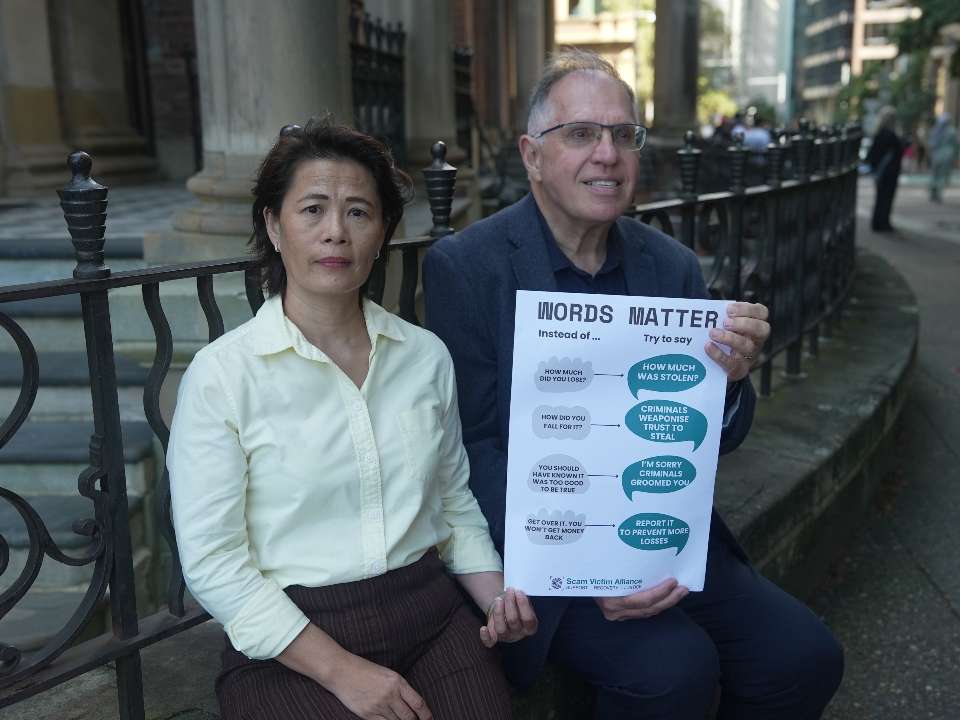
Scam Victim Alliance (SVA) is calling for all HSBC scam victim cases that were denied, under-compensated, or settled through AFCA’s traumatic dispute resolution processes to be urgently reopened following the Federal Court’s landmark findings against HSBC Bank Australia.
On 18 June 2026, the Federal Court ordered HSBC to pay $35 million in penalties after finding widespread failures in fraud prevention, customer investigations and account restoration processes.
The Court found that HSBC failed to have adequate systems to prevent and detect unauthorised transactions, failed to comply with ePayments Code requirements in 97% of cases, and failed to properly advise customers how to regain access to their accounts after restrictions were imposed.
Scam Victim Alliance believes these findings fundamentally call into question the fairness of previous AFCA outcomes and published determinations for many victims who sought redress through the Australian Financial Complaints Authority (AFCA).
Many victims endured lengthy and traumatic complaint processes while attempting to recover money lost through criminal mule and money laundering activity.
SVA has serious concerns that some victims felt pressured by AFCA to accept low settlement offers and confidentiality agreements simply to obtain partial reimbursement when they were desperate to reclaim their life savings.
The Federal Court findings raise questions about the barriers Australian scam victims face, particularly being forced to be told their losses were their own responsibility when the Court has now established that HSBC’s failures were widespread and systemic.
Scam Victim Alliance is calling for:
● All HSBC scam victims who did not receive 100% reimbursement or interest on their losses to be reopened and compensated through AFCA;
● A moratorium on relying upon previous AFCA determinations and/or deeds for “full and final settlement” involving HSBC scam complaints;
● A regulatory review of AFCA’s harmful and traumatic dispute resolution processes for scam victims, already in shock and financial distress after being victims of crime;
● A review of failed detection of systemic issues when similar scam typologies involving criminal exploitation of Australian financial payments systems go unreimbursed;
● The publication of all data showing how many HSBC spoofing and scam victims accepted confidential settlements and the shortfall of each settlement compared to the loss;
● An independent examination of whether AFCA processes compounded victim harm with a view to working towards how AFCA can move towards a trauma-informed external dispute resolution process in line with the United Nations Office on Drugs and Crime survivor-informed action brief on combatting fraud.
● AFCA to examine making each HSBC victim truly financial ‘whole’ after the court findings, including non-financial compensation and lost interest;
● Immediate reforms to AFCA’s scam dispute resolution processes to ensure victims are not forced through prolonged and re-traumatising dispute resolution processes given the ongoing delays in the Scam Prevention Framework rollout.
The Court accepted that HSBC had known for years that fraud risks were increasing, that there had been a lack of investment in fraud controls, and that additional controls were available to better protect customers. It also recognised that customers suffered both financial and non-financial harm.
Scam Victim Alliance says this case exposes a broader national problem.
“Scam victims are harmed three times: first by organised criminals, then by corporate and institutional failures, and finally by exhausting civil dispute resolution processes at AFCA or in the civil legal system that force them to repeatedly relive their trauma,” said Scam Victim Alliance president Harriet Spring.
“The HSBC case exposes a disturbing truth: institutions can know where the risks are within their own systems, yet still force consumers to absorb the harm. It simply has to stop. All people victimised by criminal scams deserve the corporations who failed them to compensate,” she said.
“Australian scam victims denied fair outcomes at AFCA deserve another chance after these court orders. Justice must extend to every victim left behind by AFCA and Australia’s poor justice process for those fleeced by criminal scammers.”
Consumers should not bear the cost of delayed investments in fraud detection while money mules and money laundering proliferates in our banking system.
As Assistant Treasurer Dr Daniel Mulino proposes delaying implementation of the Scams Prevention Framework beyond its initial start date of 2025, stronger scam protections cannot wait until 2027.
Every delay creates more victims and exposes more Australians to criminals fleecing them while corporations and AFCA push the blame on to consumers.
ABOUT SCAM VICTIM ALLIANCE
For more information or interview please call:
Harriet Spring – President [email protected], 0414 832 771
Alex Brooks – Vice President [email protected] 0411 025 866
Sylvia Chou – Treasurer [email protected] 0416 081 924
Scam Victim Alliance is an ACNC-registered community of volunteer scam victim survivors offering support to victims needing support, recovery and justice after being scammed.