
PRESS RELEASE: The appliance quietly using a quarter of your power bill, and why it pays to check it before it fails
HEADLINE:
The appliance quietly using a quarter of your power bill, and why it pays to check it before it fails
SUBHEADLINE / SUMMARY:
Hot water is one of the biggest energy uses in Australian homes, yet many households don’t think about their system until the day the shower runs cold.
BODY:
Australian households are being encouraged to check the age and type of their hot water system before it fails, rather than leaving one of the home’s larger energy users until an emergency replacement is needed.
Energy Rebate Check, a free Australian energy rebate information website, says hot water can account for a significant share of household energy consumption, yet unlike an air conditioner or heater, the hot water system often attracts little attention while it continues to work.
“Hot water is the forgotten appliance. It runs every day of the year, it’s often hidden down the side of the house or in a cupboard, and many people couldn’t tell you how old their system is or what it costs to run,” said David Perry, spokesperson for Energy Rebate Check.
“A conventional electric storage system supplying a family can use thousands of kilowatt hours over a year. Even a small difference in efficiency can therefore add up when an appliance operates every day.”
The issue becomes more pressing when an ageing system fails.
A household suddenly without hot water generally needs a replacement quickly. That can leave little time to compare different technologies, investigate running costs or find out whether government incentives are available.
“When the hot water stops, the priority is understandably getting it working again,” Perry said.
“But that’s not necessarily the best time to start researching a major appliance. If households know their system is getting older, they have an opportunity to understand the alternatives before they actually need one.”
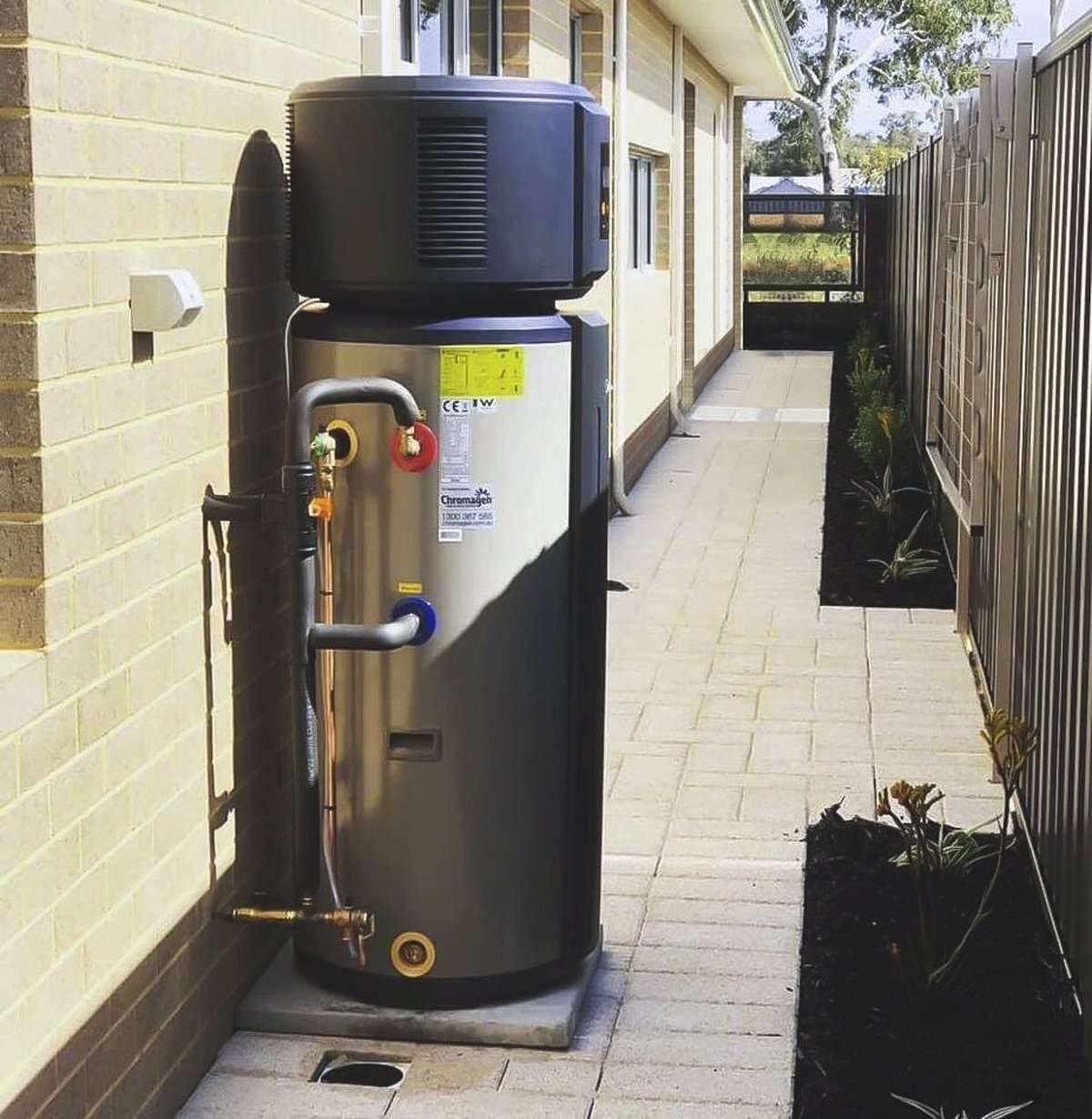
One alternative becoming increasingly common is heat pump hot water.
Heat pump systems transfer heat from the surrounding air into stored water rather than relying primarily on direct resistive electric heating. Their suitability and potential savings vary depending on the household, climate, system and installation.
Government energy-saving programs in some states may also reduce the upfront cost of eligible hot water upgrades.
Households in New South Wales can check current hot water incentive information and eligibility at https://energyrebatecheck.com.au/nsw-hot-water-rebate while South Australian households can compare what their current system costs to run using the free hot water running cost calculator at https://energyrebatecheck.com.au/sa-heat-pump-hot-water-rebate along with details of heat pump hot water incentives.
Energy Rebate Check suggests households with an ageing system check three things before it becomes an emergency: approximately how old the system is, whether it uses electric resistance, gas or heat-pump technology, and what replacement options and incentives currently apply where they live.
“You don’t necessarily need to replace a working hot water system today,” Perry said.
“The point is to know what you have and what your options are. If it does fail, you’ve already done the research rather than making the whole decision while you’re waiting for the next hot shower.”
Rebate availability, eligibility requirements and incentive values can change. Households should check current program requirements and confirm eligibility before purchasing or installing equipment.
ABOUT / BOILERPLATE:
Energy Rebate Check is a free Australian website that helps households and businesses find information about government energy rebates and incentives that may apply to energy-efficiency upgrades, including hot water systems, pool pumps, air conditioning, lighting and batteries.
WEBSITE:
https://energyrebatecheck.com.au
MEDIA CONTACT:
[email protected]

