
PRESS RELEASE: ‘A Game Changer’: Roscommon Systems Unveils New Screen Reader Feature to Improve YouTube Experience for Low-Vision Users
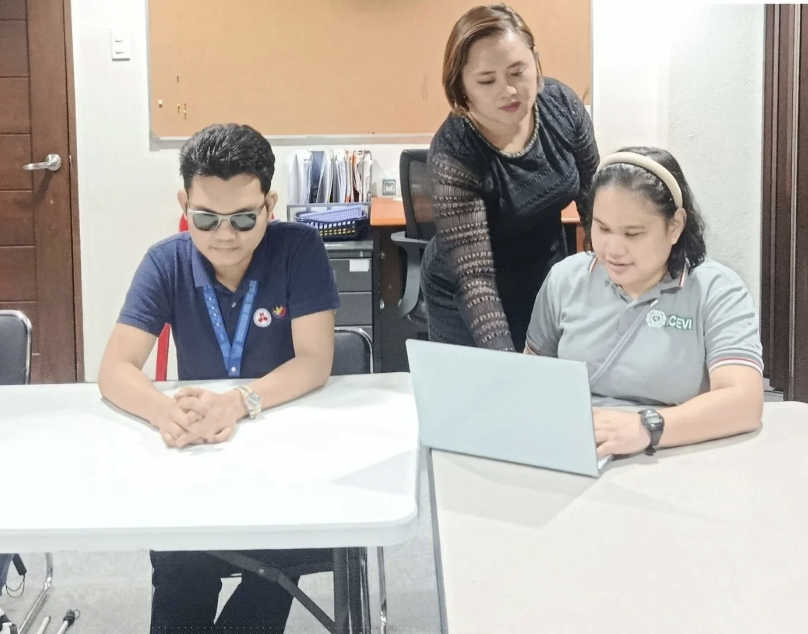
BRISBANE, Australia—April 30, 2026—Australian tech startup Roscommon Systems today rolled out a new video narration feature for its AI-powered screen reader, LIMA (Low-vision Intelligent Machine Assistant).
The feature is designed to improve how blind and vision-impaired users experience YouTube, with early users calling it a “significant step forward” for assistive technology.
Originally launched in January 2026, LIMA is a third-generation screen reader built to empower vision-impaired users to navigate digital environments with greater speed and independence. Powered by advanced AI, it functions as a real-time digital assistant, enabling users to operate a computer through voice commands without relying on a mouse or keyboard.
Unlike traditional screen readers that relay information line by line, LIMA provides spatial and contextual interpretation of digital content—helping users understand not just what is on screen, but how it is organised.
Due to YouTube’s highly visual nature, people with low vision often face limitations in fully understanding its video content. This can mean missing out on facial expressions and key actions—elements that make a video truly enjoyable.
While existing screen readers focus on conveying spoken dialogue, many are not equipped to interpret visual content and often depend on third-party sites to function.
Roscommon Systems CEO and co-founder Callum Ginty said LIMA’s video narration update aims to remove this digital barrier.
“We kept hearing from blind and vision-impaired users that they felt left out of the social media video experience,” Ginty noted. “That feedback drove everything. We set out to build something that works across all platforms and with any browser, so users never have to leave the page they’re already on.”
An Immersive YouTube Experience
Using AI technology, LIMA’s descriptive video service generates real-time descriptions of visual elements, from on-screen text to human gestures.
Key features include:
– Dynamic adaptation that adjusts narration based on content complexity
– Smart playback control, automatically pausing and resuming for smoother listening
– Seamless YouTube integration, with no need for external tools
These features build on LIMA’s broader capabilities, including advanced image recognition that can describe page layouts and interpret text embedded within images, as well as natural, human-like speech optimised for long-form use.
What Users Are Saying
Since its launch, LIMA has received positive feedback on its video feature, with users noting a smoother, more accessible viewing experience.
“This is a significant step forward in breaking down barriers to information access for vision-impaired people,” said test user Jennifer Parry. “It shows what is truly possible.”
Another test user, Kushal Solanki, said being able to get a YouTube video description is “honestly a game changer.”
“Being able to get detailed descriptions of a video featuring my guru was truly a joyous moment for me,” Solanki said. “LIMA was able to capture the minor details within the video.”
“Before using the descriptive video service, it was pretty difficult to access YouTube videos that don’t involve talking. If there are visual elements someone would have to describe the video for me.”
A New Technological Milestone
The development of LIMA has been closely tied to improving real-world outcomes for vision-impaired users, particularly in digital environments where accessibility gaps remain significant.
Research shows that vision-impaired individuals continue to face barriers in accessing online content, especially across dynamic websites and multimedia platforms. These challenges can lead to frustration, lost productivity, and limited participation in digital spaces.
Ginty said the new feature represents a broader shift in how assistive technology can evolve.
“Gone are the days of copying links into external websites to generate narrations,” Ginty added.
“For a podcast video where it’s just two hosts talking on a plain background, LIMA is intelligent enough to know that such a video doesn’t need very much narration. Whereas a movie action scene will have much more narration as this type of media is more visually heavy.”
“AI’s benefits are real and are making a meaningful difference in the daily lives of blind and vision-impaired people.”
Availability
LIMA’s Descriptive Video Service is available now to users worldwide via the Roscommon Systems website, with Facebook, Instagram, and TikTok integration currently in development.