
PRESS RELEASE: VNDentalTravel Places Individual Access Needs at the Centre of Dental Travel Arrangements
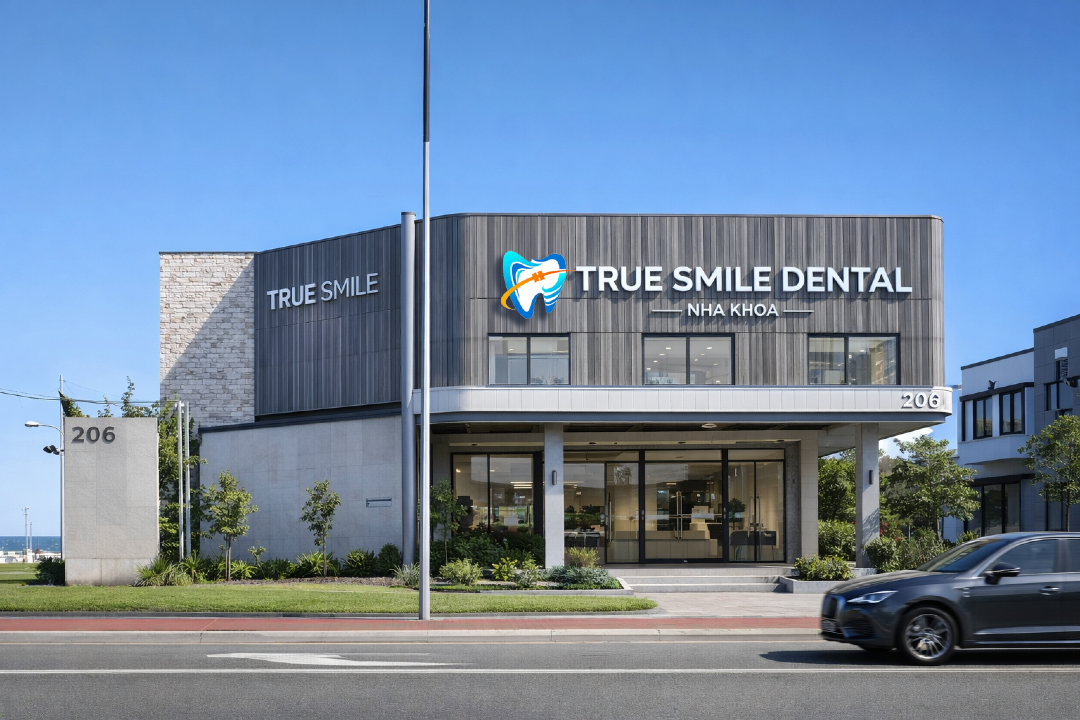
HO CHI MINH CITY, Vietnam — VNDentalTravel affirms that accessibility in dental travel needs to be established through the actual arrangements a patient will use. A hotel rating, private transfer booking or short distance to a clinic does not establish whether the journey is suitable for an individual traveller.
The position concerns Australians who use mobility aids, have difficulty with stairs or need assistance moving between locations. Their requirements can affect transport, room selection and clinic access, with each part influencing the practicality of the complete stay.
VNDentalTravel dental travel arrangements connect appointments with accommodation and transport. For a patient with mobility requirements, those connections need to account for the route from the vehicle to the entrance, through the building and into the facilities being used.
A hotel may have a lift and still have steps at its entrance. A private vehicle may have sufficient seats but be difficult to enter. A nearby clinic may involve a route that is unsuitable for someone using a walking aid.
The relevant question is whether the proposed arrangements meet the patient’s needs with the assistance available. General assurances cannot resolve gaps between individual parts of the journey.
Access Across the Complete Route
Airport assistance, road transport, hotel facilities and clinic access may involve separate providers. Support arranged with one organisation does not automatically continue through the next part of the trip.
For a wheelchair user, vehicle arrangements may depend on whether the chair folds, whether it can be transported and whether the passenger must transfer into another seat. Assistance with luggage is separate from assistance with a physical transfer.
At the accommodation, the actual room reservation is important. An accessible room elsewhere in the building does not establish the suitability of the room booked for the patient. Doorways, bathroom access and the route from reception can influence whether the stay is practical.
Photographs, relevant measurements and direct confirmation can provide a more useful basis for arrangements than a general accessibility label. The information needs to correspond to the room, entrance and vehicle intended for use.
VNDentalTravel’s position recognises that some options will not meet a particular requirement. Identifying a limitation before travel allows another arrangement to be considered without presenting every available property or vehicle as universally suitable.
Assistance With a Defined Scope
Transport assistance and personal care involve different responsibilities. A driver may help load a mobility aid without being able to assist with every movement the passenger requires.
For Australians planning dental treatment in Vietnam, this distinction can influence whether travelling alone is practical. An itinerary that depends on personal assistance needs to identify who will provide it and when it will be available.
A companion’s presence does not automatically resolve that need. Their physical ability, experience and willingness to help are relevant. Support should not be assumed simply because two people share a booking.
The same applies to a patient who usually manages independently at home. Familiar surroundings and equipment may differ from those available during an overseas stay. The discussion needs to focus on the proposed environment rather than assumptions about usual independence.
Arrangements Based on the Individual
Age alone does not establish mobility requirements. Two travellers of the same age may need entirely different arrangements, while a younger traveller may require substantial access support.
The patient’s own account of their needs provides the starting point. Relevant details can include steps they can manage, equipment they use and assistance required for particular movements.
Fewer changes of location may be useful for one person. Another may prioritise direct vehicle access or a room with specific bathroom facilities. These preferences can influence the itinerary more than proximity to tourist attractions.
VNDentalTravel’s position gives those practical requirements a clear place in dental travel discussions. Accessibility should be reflected in confirmed arrangements and known limitations, allowing the patient to assess the journey on realistic information.