
PRESS RELEASE: Weekly Update – Global Fertiliser Markets – w/e 19.06.2026: UREA MARKET TURNS SHARPLY BEARISH
• Urea Prices Under Pressure Across Global Markets
• Phosphate Prices Struggle to Hold
• Potash Prices Under Pressure
• Ammonia Prices Continue to Soften
UREA
Indicative Range: USD 340–480/t
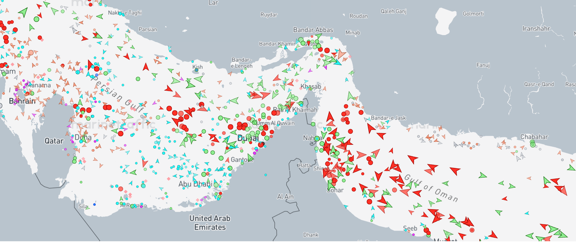
The international urea market has turned sharply bearish, with substantial price falls now evident across Brazil, US/NOLA, Southeast Asia and the Baltic region. Demand remains subdued in most major buying regions, while uncertainty surrounding the Strait of Hormuz continues to dominate market sentiment.
The signing of a US‑Iran memorandum of understanding has added further downward pressure, with traders now factoring in the possibility that sanctions may eventually be eased. Shipping experts caution that a return to normal vessel flows may take months.
As much as 1 million tonnes of urea is estimated to be trapped aboard vessels. Producers have reportedly continued loading material, raising the risk that a sudden release of product could materially disrupt global trade balances.
Iranian FOB values have reportedly been seen as low as USD 345 PMT. India’s latest NFL tender has secured just over 1.7 million tonnes. Demand across Southeast Asia remains largely dormant, while Petronas is said to have sold 30,000 tonnes at USD 480 PMT FOB compared with USD 790 PMT FOB in early May.
In Australia, the Federal Government, in partnership with Incitec Pivot, CSBP and Summit Fertilizer, has secured a further 98,500 tonnes of urea, bringing total volumes secured under the scheme to around 340,000 tonnes.
Brazilian values continue to ease, with a 40,000‑tonne sale reported at USD 400 PMT CFR. US/NOLA values have also dropped sharply, with FOB barge prices reported at a 17‑month low of around USD 340 per short ton.
In summary, urea prices remain under substantial downward pressure with any meaningful recovery likely to depend upon a sustained reopening of the Strait of Hormuz and the orderly release of delayed cargoes.”
PHOSPHATES
Indicative Range: USD 900–935/t CFR
Global phosphate prices were mostly stable this week, although individual benchmarks moved in both directions as buyers continued pushing for reductions despite exceptionally tight supply and historically high raw material costs.
US DAP and MAP prices fell further across both NOLA barge and Midwest markets. Brazilian MAP prices remained steady for the ninth consecutive week at around USD 900 PMT CFR.
India’s spot DAP assessment was also steady at USD 930–935 PMT CFR. Pakistan DAP prices fell from the USD 960s PMT CFR to the USD 920s PMT CFR.
Granular phosphate prices are expected to remain relatively stable in the short term as buyers remain cautious. Exceptionally tight availability of both finished product and raw materials is expected to place upward pressure on prices over coming weeks and months.
POTASH
Indicative Range: USD 400–481/t CFR/FCA
Potash prices in Brazil eased this week amid thin trade and hesitation from buyers to commit to further purchases.
Suppliers remain bullish, expecting prices to rise into August–September. Southeast Asia remains quiet and stable, while regional imports are down around 21% year‑to‑date.
China continues to import heavily, with year‑to‑date imports running approximately 30% above last year’s level. MOP prices are expected to rise in the near term due to tight supply, with many suppliers largely sold out until August.
AMMONIA
Indicative Range: USD 730–800/t CFR/FOB
Ammonia values softened across most regions this week as returning Southeast Asian supply, sharply lower Chinese export offers and the recently announced US‑Iran agreement weighed on sentiment.
In India, indications eased to around USD 800 PMT CFR. East Asian spot values moved lower, with July offers into Taiwan heard around USD 770 PMT CFR.
Southeast Asian offers corrected lower to around USD 730–750 PMT FOB following the return of PAU and Petronas supply.
Prices are expected to continue easing as the market adjusts to returning supply, softer demand and the prospect of Middle East tonnes re‑entering trade.
ENDS