
PRESS RELEASE: Vale John Freeman – Drummer of Fraternity with Bon Scott, Red Angel Panic, Jimmy Barnes and many others
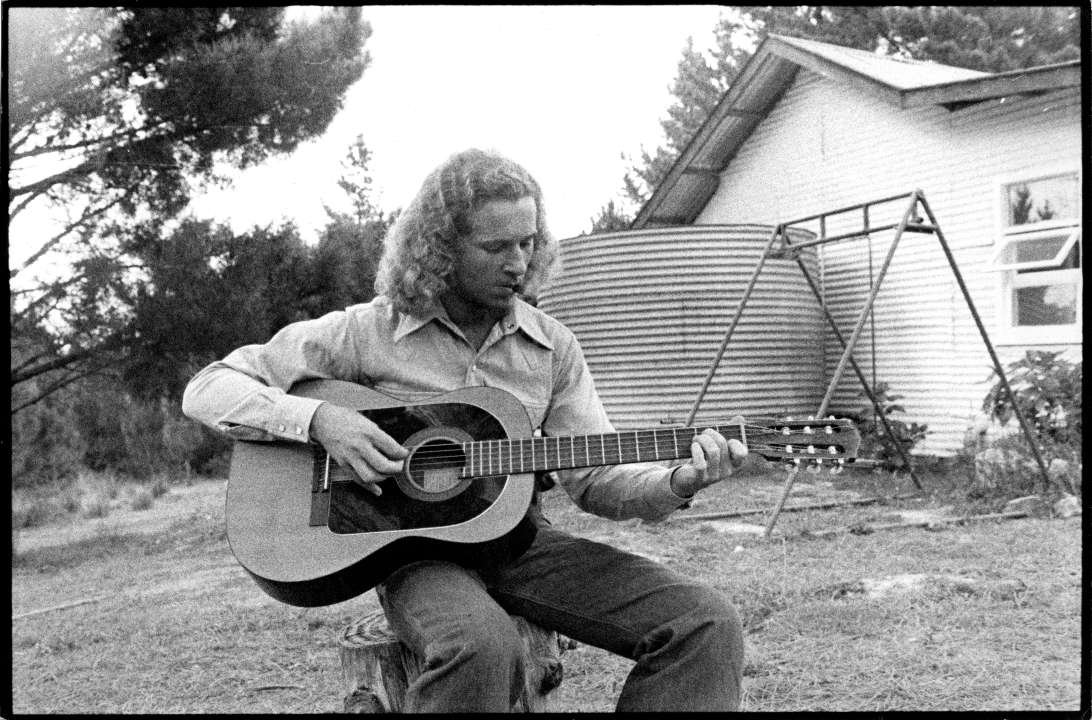
JOHN FREEMAN
12 December 1949 – 17 April 2026
It is with great sadness that we share the passing of John Freeman, who left us this morning in Adelaide (17th April 2026).
John was not only a remarkable musician, but a deeply important part of the story of Adelaide music. From his earliest days as a student at Prince Alfred College, where he formed Red Angel Panic with Chris Bailey (later of The Angels and Gangajang) and Rob Tillet, it was clear that music would shape his life. Whether playing in Tattered Sole at The Cellar on Tynte Street, performing with Brunswick Blues Vision, or moving through the many bands that defined the late 1960s scene, John was always at the centre of something creative and alive.
He was also shaped by a family deeply connected to Adelaide’s cultural life. His father ran Freeman Chemists and the My Fair Lady Theatre on Hindley Street, placing John in close proximity to the city’s entertainment world from an early age. It was an environment that helped foster his lifelong connection to music and performance.
He brought that same passion to his work as a cadet journalist at The News under Rupert Murdoch, where he wrote a music column and championed the artists around him. He believed deeply in the Adelaide scene, and he helped build it, both on stage and in print.
That belief carried into his time with Fraternity. Following his work with Barrie McAskill’s Levi Smith’s Clefs, John joined the band as drummer, replacing Tony Buettel and stepping into what would become one of the most significant periods in the group’s history. At that time, the band included Bruce Howe, Mick Jurd, Bon Scott and John Bisset, and would later expand to include Uncle John Eyers and Sam See. Together, they helped shape one of the most important and ambitious Australian bands of the era.
With Fraternity, John shared in extraordinary moments that remain part of our cultural history: performing at the Myponga Music Festival in 1971 alongside international acts including Black Sabbath, appearing at the Odyssey Music Festival at Wallacia that same year, and winning the 1971 Hoadley’s Battle of the Sounds against the best acts in the country.
Under the management of Hamish Henry and The Grape Organisation, Fraternity became a central force in Adelaide’s live music culture. The band performed extensively across the city, Australia and beyond, including at Henry’s venues and music festivals such as Myponga ’71 and Meadows Technicolour Fair ’72, helping to build a sustainable and vibrant music scene.
Fraternity also played a crucial role in establishing the blossoming pub rock scene in Adelaide, emerging in the wake of the Don Dunstan government’s changes to alcohol licensing. The band became regulars at venues such as the Largs Pier Hotel and the Bridgeway Hotel in Pooraka, helping to shape a live music culture that would define the city for decades to come.
As their reputation grew, Fraternity toured extensively across Australia. Their time on the road became the stuff of legend, including a notorious Queensland tour under the Joh Bjelke-Petersen government, where tensions with authorities saw the band effectively forced out after lead singer Bon Scott responded to police interference during a performance. Stories like these reflected the spirit of the band at the time: fearless, uncompromising, and deeply committed to live music.
During this period, they also shared stages with some of the biggest names in international music, including Status Quo, Free, Deep Purple, Manfred Mann, Jerry Lee Lewis, Geordie, Mungo Jerry, and, in a moment that John would often recount with a smile, even the 1910 Fruitgum Company. These experiences reflected both the scale of Fraternity’s reach and the unique musical world they inhabited.
Fraternity also achieved significant chart success during this time. Their recordings, including Livestock and Flaming Galah, captured a band pushing beyond the boundaries of what Australian rock could be, while singles such as “Seasons of Change” and “If You Got It” reached the top of the charts in 1971. Notably, “If You Got It” was released as Australia’s first maxi single, marking another milestone in the band’s innovative career.
In 1972, following their landmark performance of “Love 200” at the Adelaide Festival of Arts with the Melbourne Symphony Orchestra, Fraternity relocated to London to pursue international success. Although the experience proved challenging and the band eventually fragmented, their ambition and influence left a lasting mark. The lessons learned during this period would carry forward, with members going on to shape Australian rock in new ways, most notably Bon Scott, who took that experience into AC/DC, helping to define one of the most influential rock bands in the world.
After Fraternity, John’s musical journey continued in many forms. He played in Fraternity Mk II alongside a young Jimmy Barnes, and was also later part of the first lineup of Jimmy Barnes’ solo band following the end of Cold Chisel, contributing to another important chapter in Australian rock history. He went on to explore new directions with Some Dream and later Mickey Finn.
Across the decades, John remained a familiar and respected presence in Adelaide music, performing with artists such as Chris Finnen, Frank Lang and bands including Hoy Hoy! and Papa Legba. Whether behind the drums or with a guitar in hand, he never lost his love for playing.
He was a man of few words. When he spoke, he said things as they were. Direct, honest, and to the point. And like his music, it always carried weight.
But beyond the bands and the milestones, John will be remembered for his spirit. He was part of the fabric of this community. A musician who supported others, who stayed connected, and who gave so much of himself to the music and the people around him.
His story is woven into the story of Fraternity, and into the broader history of Australian music. From Australia to London and back again, his contribution is lasting.
In 2021, John returned to the stage for Fraternity’s 50th Anniversary concert at Thebarton Theatre. That night was made even more special as he performed alongside his son Harry, who played John’s original drum kit. It was a moment of immense pride, and a powerful reminder of the legacy he carried and passed on.
John is survived by his son Harry and his partner Annie. Our thoughts are with them at this difficult time, and with all who knew and loved him.
John gave so much to music, and to all of us who shared in it.
John, we will miss you.